October 2026
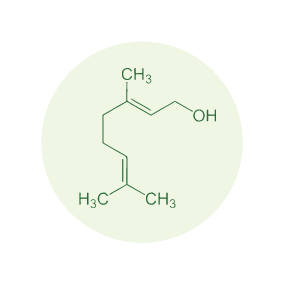
Update on the Biocide Approval of Geraniol
Some inaccurate or contradictory information circulate regarding the regulatory status of geraniol and the possibility of continuing to market biocidal products that contain it. BREYNER would like to provide factual clarification on the status of this dossier at the European level.
1. BREYNER is actively pursuing the registration process for Geraniol
As an official supplier of Geraniol listed under Article 95 of the European Biocidal Products Regulation (BPR) and holer of the dossier, BREYNER is continuing to work on finalizing the approval dossier for this active substance, in collaboration with the relevant stakeholders.
2. A legal dispute concerns the procedural aspects of the case
The case encountered difficulties related to the timeline for submitting the additional studies requested by ANSES. On November 10, 2025, the Biocide Geraniol Task Force (BGTF) initiated legal proceedings against ANSES. This action concerns procedural and scheduling issues; under no circumstances does it challenge the results of the scientific studies on the substance. The proceedings could take several years.
3. The current situation does not constitute a permanent ban on Geraniol
To date, no formal decision to deny approval has been adopted by the European Commission, the sole competent authority with the power to make such a decision. The Commission has indicated that it is awaiting the outcome of the litigation proceedings before making a ruling. In the meantime, products containing geraniol remain legally on the market under the transitional regime provided for in Article 89 of the BPR.
4. A distinction must be made between the regulatory frameworks for biocides and phytopharmaceuticals
The regulatory procedures applicable to biocidal products and phytopharmaceutical products are separate. The April 30, 2026, deadline mentioned in Implementing Regulation (EU) 2023/1757 applies solely to the phytopharmaceutical sector and in no way to the BPR procedure applicable to biocidal products.
5. Clarification regarding statements made by the DGPR
At the Biocides Conference held in Lyon on October 6, 2026, the General Directorate for Risk Prevention (DGPR), under the supervision of the Ministry of Ecological Transition, suggested that Geraniol would soon be banned in biocidal products in Europe. We have formally requested a denial from them to avoid misleading the market and to ensure that the entire sector has accurate and reliable information.
6. BREYNER remains convinced of geraniol’s unique potential
Our commitment to advocating for Geraniol remains unwavering, given its strategic importance to the market—particularly in light of its properties and performance. Unlike most available active ingredients, Geraniol is non-neurotoxic to humans and effective against a wide range of pests. We are also fully aware of the responsibility of European and national authorities to protect human health and the environment, and we share these objectives in our work.
For more information, click on this link